How to Choose the Right Car Transport Service


In the rapidly evolving landscape of logistics and transport, the demand for trusted vehicle shipping has surged. New business information shows that the global Vehicle shipping quote market measurement was appreciated at around USD 98 billion in 2022 and is expected to grow considerably by 2030. If you are an individual moving around the world or a small business supervisor overseeing a fleet of professional cars, knowledge how exactly to understand this complex industry is essential.
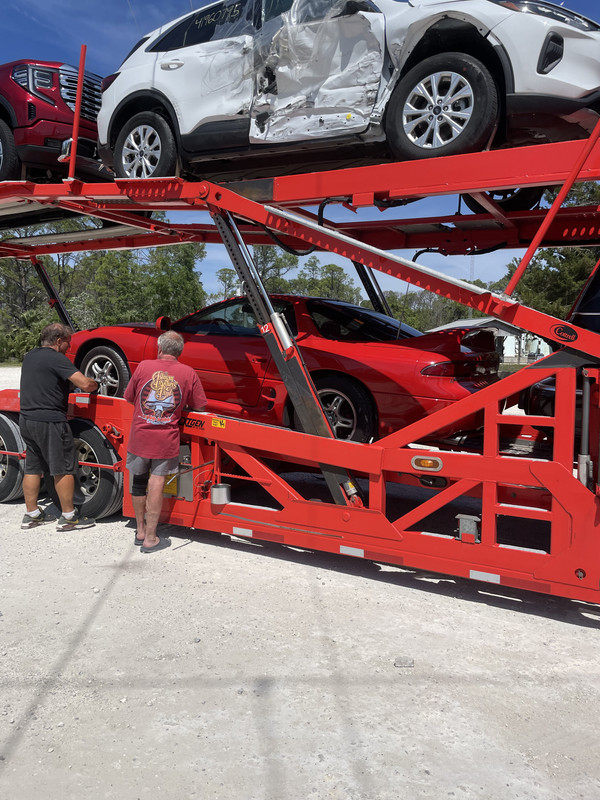
Deciding on the best transport company isn't more or less moving a car from position A to level N; it's about mitigating risk, ensuring timeliness, and controlling charges effectively. With 35% of car transport delays caused by bad company choice, the stakes are high. This guide may walk you through the essential measures to protected a seamless transportation knowledge for equally personal sedans and heavy-duty industrial trucks.
Assess Your Unique Transfer Needs
The first step in acquiring a reliable service is defining exactly that which you need. Certain requirements for shipping a vintage convertible change vastly from taking a fleet of supply vans. For private cars, you have to choose between start and surrounded transport. Data reveal that start transportation records for nearly 90% of most vehicle shipments because of its cost-effectiveness, however closed transport offers 100% protection from road dirt and weather—a non-negotiable for high-value luxurious cars.
Industrial clients experience a different set of variables. You will need to ascertain if the company has the ability for volume transportation and the specialized equipment for large vehicles. A unbelievable 60% of professional transportation issues develop from failing continually to verify gear compatibility beforehand.
Confirm Qualifications and Security Files
In a time where digital scams are on the increase, verifying a carrier's legitimacy is paramount. The Federal Generator Company Safety Government (FMCSA) reports that fraudulent going actions have increased by 14% year-over-year. To protect your advantage, always require the carrier's MC (Motor Carrier) and DOT (Department of Transportation) numbers.
Don't just acquire these numbers; verify them. Utilize the FMCSA's SAFER program to test their protection status and insurance status. A legitimate company may have effective insurance coverage. For commercial fleets, verify if their responsibility protection is enough to cover numerous high-value assets simultaneously. Business professionals recommend a minimum of $100,000 in cargo insurance, but for commercial loads, this will be significantly higher.
Analyze Cost vs. Value
Value is really a key factor, but the lowest bid usually signals large risk. The typical price to ship an automobile around 1,000 miles stages from $700 to $1,200, depending on the year and vehicle size. In case a offer comes significantly below industry average—by 20% or more—address it as a red flag. Low-cost carriers may reduce corners on protection methods or absence correct insurance.
When comparing estimates, assure you're evaluating apples to apples. Does the quote include door-to-door support, or could it be terminal-to-terminal? Final transport can help you save money, however it adds the trouble of dropping off and picking right up the vehicle. For professional entities, look for companies that provide quantity savings or agreement rates, which could minimize long-term logistics prices by around 15%.
Prepare the Car for Transit
Once you have selected a partner, planning is critical to preventing disputes. Information implies that 20% of injury statements are rejected due to inadequate pre-inspection documentation. Clean your automobile totally to reveal any existing scratches or dents. Get high-resolution pictures of the automobile from all angles, like the odometer reading.
For private vehicles, eliminate all personal items. Transfer trucks aren't licensed to carry household things, and these materials are not included in insurance. For industrial cars, guarantee all loose gear is secured or eliminated to avoid central damage during transit.
Conclusion
Navigating the automobile transport market requires due diligence and a data-driven approach. By knowledge your certain needs, verifying protection documents, and seeking beyond just the cost, you are able to assure your vehicle comes safely and on time. Don't leave your valuable assets to chance. Begin by seeking extensive quotes from top-rated carriers nowadays and protected the satisfaction you deserve.